


GLP-1s and Constipation: It’s Not a Side Effect—It’s the System
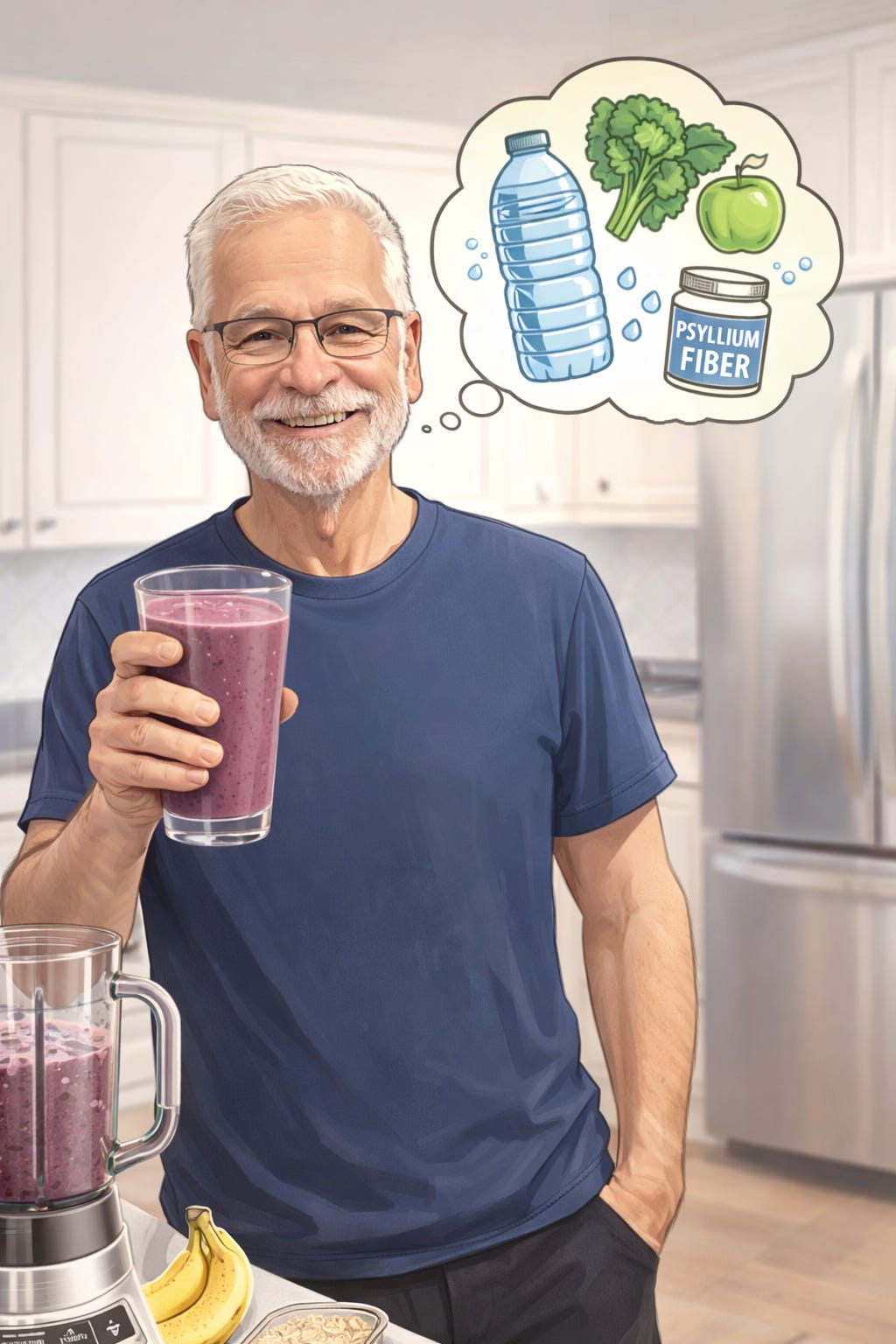
I am on Zepbound for weight loss, one of the newer GLP-1 drugs, and I often get asked what to do about constipation—which is one of the most common issues people run into on these medications.
One of the reasons I love Substack is that I can take the time to actually walk through this. Not just a quick answer—but something useful. And frankly, even if you’re not on a GLP-1, a lot of this will still apply.
Weight loss surgery patients have this same issue - and these are many of the same strategies that worked for them.
Let’s start with definitions.
The official definition of constipation is fewer than three bowel movements per week. You may also notice hard stools, straining, or that frustrating feeling that you’re not quite finished.
Now—we need to adjust that definition a bit.
Because if you’re on a GLP-1, you’re eating less. Sometimes a lot less. So your bowel frequency will naturally decrease.
But here’s the key point:
Constipation on GLP-1s isn’t just about how often you go—it’s about how difficult it is to go, and what the stool is like when you do.
And yes—this is common.
Constipation occurs in up to about 24% of patients on a GLP-1. Roughly one in five.
I’ve had it myself.
And like most patients, the cause wasn’t mysterious. It was hydration.
So Why Does This Happen?
Let’s do the quick science before we fix it.
GLP-1 drugs slow down your gut. That’s the point.
They:
Slow gastric emptying
Reduce appetite
Reduce overall intake
But downstream, that means:
Less food → less stool
Less fluid → drier stool
Slower motility → slower transit
And then patients unintentionally make it worse:
Eating mostly protein
Skipping vegetables
Drinking less (because they’re not thirsty)
So the colon ends up with less volume, less water, and slower movement.
That’s constipation.
And the job of the colon - reabsorb water. So if you are not drinking enough water, the colon absorbs more and you will spend time on the toilet with your phone.
Let’s Talk About Hydration
This is where most people get into trouble.
Hydration is more than just “drink some water,” although that’s a perfectly good place to start. The issue on a GLP-1 is that you have to be intentional—because your body isn’t giving you the usual signals.
You simply won’t feel as thirsty.
And there’s another piece people miss:
A large portion of the water you normally get comes from the food you eat.
So think about what happens on a GLP-1:
You eat less
You drink less
You don’t feel thirsty
That’s a setup.
Less food means less water coming in. Less thirst means less drinking.
So we have to add liquid back in on purpose.
First—Kill the Coffee Myth
Coffee and tea do not dehydrate you.
They count toward your fluid intake. Full stop.
So if you like coffee in the morning—have it. I drink mine cold because I prefer it that way. If you like it hot, great. Same with tea.
That fluid still counts.
What I Actually Do
I make this very simple.
I take a small ceramic pitcher—about 2 liters—and put in four black tea bags. Fill it with water, leave it in the refrigerator overnight, and that’s my iced tea for the next day.
I carry it with me and drink from it throughout the day instead of plain water.
I don’t love most flavored waters—but if you do, enjoy. The goal is simple:
Find a way to drink more that you’ll actually stick with.
Let’s Talk Electrolytes (Briefly)
Electrolytes can help—especially if you’re not eating much.
But don’t get carried away with the “zero sugar, keto-friendly” obsession.
A small amount of glucose actually helps absorption. That’s basic physiology.
You don’t need a sports drink all day—but a little support is fine.
A Practical Tip (This One Matters)
If you’re increasing your GLP-1 dose, that day—and especially that morning—I recommend adding something like Pedialyte.
You can get it at any pharmacy. I keep this in the house all the time.
The liquid works, and the popsicles are great if you’re a bit nauseated.
And that’s the point—when you escalate the dose, nausea goes up, intake goes down, and hydration often drops when you need it most.
This is an easy way to stay ahead of it.
The Bottom Line on Hydration
Most constipation on GLP-1s comes down to this:
You are taking in less fluid than you think.
So don’t wait until you’re thirsty.
Drink early. Drink throughout the day. Make it easy.
Eat the Right Foods
Now let’s talk about what you’re eating—because this is the other half of the problem.
When people start GLP-1s, they often shift hard toward protein:
Chicken
Eggs
Protein shakes
And they quietly drop:
Vegetables
Whole grains
Legumes
That’s a mistake.
Foods to Choose
Fruits: berries, apples, citrus, grapes
Vegetables: leafy greens, broccoli, carrots, peas
Whole grains: oats, quinoa, brown rice
Legumes: lentils, chickpeas
Yogurt
These add fiber, water, and bulk—the things your colon needs to function.
Foods to Ease Back On
Highly processed foods
Refined carbohydrates
Very high-fat meals (they can slow things further)
Fiber—But Don’t Be a Hero
Fiber helps—but only if you do it right.
Add it gradually
Too much too fast → bloating and discomfort
And remember:
Fiber without water can actually worsen constipation. Trust me - think of hibernating bears - they stop drinking water - get a large mass of fiber in their gut and sleep for the winter. No wonder they are a bit grizzly when they wake up. That first movement would have to be rough.
Move Your Body
You don’t need a gym membership.
A simple 20–30 minute walk daily—especially after meals—helps stimulate bowel movement. Seriously - if you are not walking and have constipation, you are missing the movement for the movement.
I do yoga. I know, you move to California and take up yoga - but I did. It keeps me moving - in more ways than one.
Keep Some Meal Rhythm
Even small meals help trigger the gastrocolic reflex. You know, your stomach is right behind one part of the colon. And when the stomach stretches, the colon feels the bulge and moves. Some people think when they eat, they defecate it is what they just ate - it isn’t
In plain English: your gut needs reminders to move.
How to Treat It (If Prevention Isn’t Enough)
If you’re already constipated, here’s a simple approach.
First Line
Polyethylene glycol (Miralax)
17 grams daily in water
Safe and effective
Takes 2–3 days
Magnesium citrate (powder)
Adjustable dose
Helps draw water into stool
Add If Needed
Fiber supplements
Psyllium (Metamucil), methylcellulose
Start low, go slow
Stool softeners
Docusate
Helpful if straining
Rescue (Not Daily)
Stimulants
Senna or bisacodyl
Use as needed, not every day
When to Call Your Doctor
Call right away if you have:
No bowel movement for more than 5–7 days
Severe abdominal pain
Vomiting
Blood in stool or black stools
Severe bloating
One More Thing Before We Get Practical
I start my day with a breakfast shake.
Why?
Because it solves multiple problems at once.
It gets fluid in early.
It gives me protein.
It gives me fiber.
And it’s easy when you’re not that hungry.
What I typically do:
Oat milk
About 1½ cups of berries
Protein (Greek yogurt or powder)
Sometimes oats—about ⅓ cup
If I’m using oats, I’ll soak them overnight in the oat milk so they soften up.
You don’t have to start with that much—start smaller if you want.
And if things are a bit slow, I’ll add chia, flax, or even supplemental fiber. Citrocele has a nice flavor and can easily work with the shakes.
It’s a simple way to start the day with hydration, fiber, and nutrition—before appetite has a chance to get in the way.
If you want to see my recipes for shakes, go to terrysimpson.com and look under Mediterranean Breakfasts.
Transition
Now—this is where most advice stops.
“Drink more water. Eat more fiber.”
That’s fine. It’s also not helpful when you’re standing in your kitchen wondering what to eat.
So in the paid section, I’ll walk you through exactly how I structure a day of eating to prevent constipation on a GLP-1—with real meals and recipes you can actually use.
