


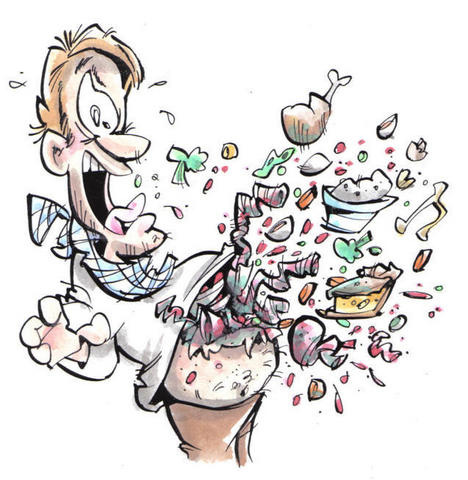
There is a moment that almost every patient on a GLP-1 recognizes.
It usually comes early—after the first dose, sometimes the second. A meal that used to feel normal now feels… off. You take a few bites, and something shifts. Not pain, not illness exactly—just a quiet, persistent nausea. A signal.
And that’s the part most people misunderstand.
This isn’t your body “rejecting” the medication. It’s your body being heard.
GLP-1 receptor agonists—semaglutide, tirzepatide, liraglutide—work by slowing gastric emptying, increasing satiety signaling, and altering the way the brain processes food cues. That’s not a side effect. That’s the mechanism.
But nausea is the price of that conversation.
Why Nausea Happens (And Why It’s Common)
GLP-1 medications do three things at once:
Slow how fast food leaves the stomach
Increase fullness signals from the gut to the brain
Reduce reward signaling from food
Put those together, and you get a mismatch—your stomach is fuller longer, your brain is less interested in food, but your habits haven’t caught up yet.
That mismatch is nausea.
In clinical trials:
Up to 20–40% of patients report nausea early on
It is dose-dependent
It is usually transient, improving over weeks
And importantly—titration matters.
For some, they increased the dose too early.
That’s not a flaw in the drug—it’s a pacing problem.
But also, I still notice nausea and I have been on the same dose for almost a year.
What Nausea Is Trying To Tell You
This is where most advice goes wrong.
People treat nausea like a symptom to suppress. It isn’t. It’s feedback.
In practice, nausea on a GLP-1 usually means one of five things:
1. You ate too fast
Your stomach empties slower. The old pace no longer works. This can happen when you forget. Or, sometimes I find it when I am close to my injection and I start to eat a bit fast.
2. You ate too much
Not in calories—just in volume for your new physiology. The food tastes good, so have the whole burger, not the half you used to enjoy.
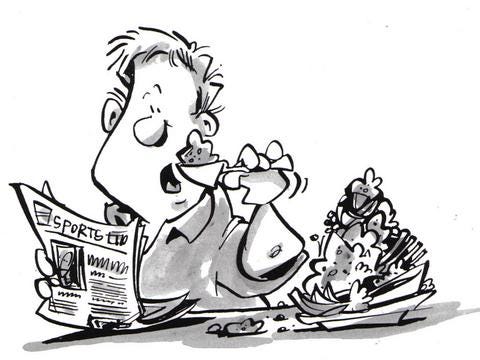
3. You ate the wrong composition
High-fat, greasy, or very dense foods linger longer → more nausea. I found this when I had a fried chicken sandwich. I didn’t think about it, until an hour later when I felt the nausea.
4. You escalated dose too quickly
The most common mistake early on. If you are doing well on a dose, you do not need to advance by a schedule. We advance the drug by effect..
5. You ignored early satiety
That first “I’m done” signal is now real. Missing it has consequences. But it tastes so good.
What Actually Works (Not Internet Myths)
Forget the nonsense about “just push through it.”
Here’s what works in real patients:
1. Eat like a post-op bariatric patient (because physiologically, you are)
Small portions
Slow eating
Stop at first fullness
Think of your stomach like a new baby stomach. It is irritable to foods, and you have to slow down and listen to it.
2. Protein first, often prescribed but I don’t.
If you have just upped your dose, I say hydrate first. Get in your liquids 30 minutes before the meal, and let that settle. Not as a tool to keep you from eating less. But for the hydration. Your body will absorb this quickly. That way, if you become nauseated, you at least have some hydration
Lean protein (fish, yogurt, eggs). I always find it odd that fish never gives me a problem, but fatty red meats do. Not all the time through. So plan your first meals after upping the dose to have those lean proteins.
Avoid dense, fatty meats early on. Fried chicken and pizza are not your friend.
3. Hydrate—but separate from meals
Sip fluids between meals. Keeping up with hydration is key.
Don’t flood the stomach during eating. Drink before eating, sip when eating. Don’t eat so fast you need to drink your to force it down.
4. Timing matters
Smaller meals
Avoid late-night eating. Stop eating two hours before bedtime. If you go to bed and wake up hungry have a small protein shake.
5. Dose pacing > willpower
If nausea is persistent:
Stay at the same dose longer
Don’t escalate on schedule—escalate on tolerance
Again, your source reinforces this:
GLP-1 therapy requires slow, gradual dose increases to reduce side effects
The Part No One Says Clearly Enough
Nausea is not failure.
It is the body recalibrating.
For decades, patients were told:
Eat less. Try harder.
Now the biology finally aligns with the advice—and the brain doesn’t know what to do with it.
That discomfort is the transition. Not a good one.
Paid Section
When Nausea Is Not Normal (And You Need To Pay Attention)
.
Most GLP-1 nausea is benign.
Some is not.'
