


Ancel Keys, the Mediterranean Diet, and What We Keep Getting Wrong
I Just Got Back From Italy. That’s not the Mediterranean Diet.
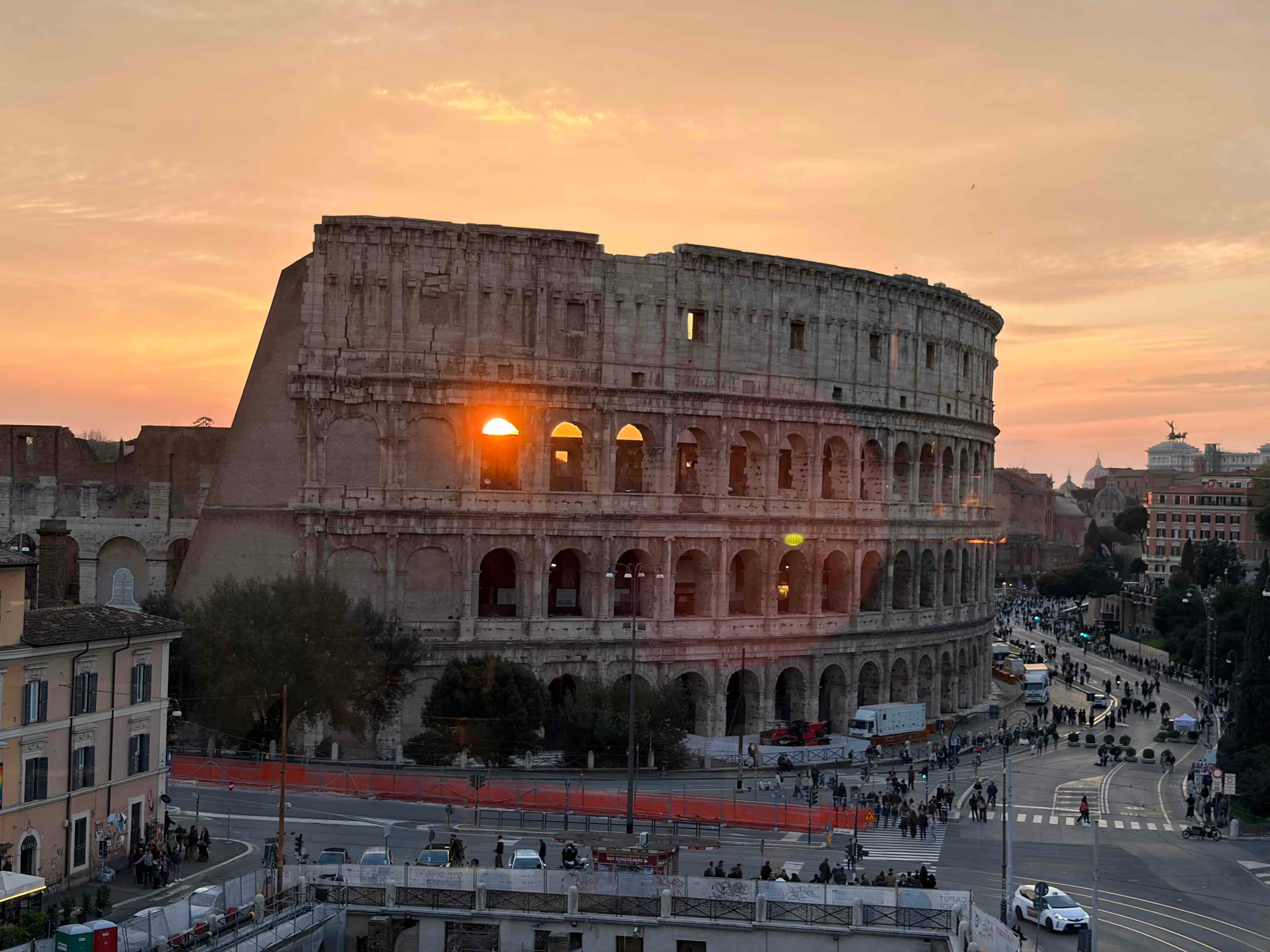
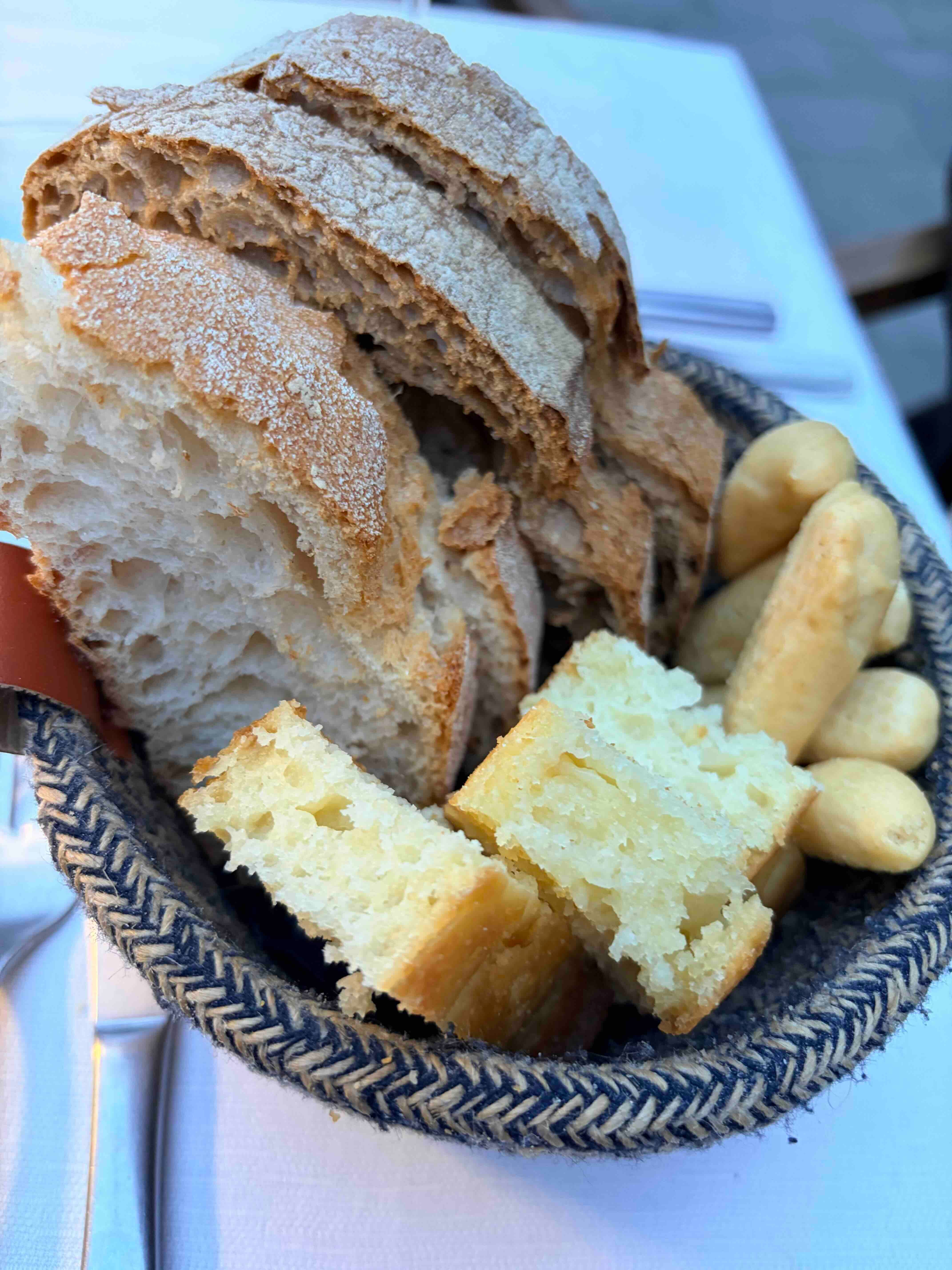
Yes, I ate the pasta. The bread. The gelato. The cured meats. Wine at lunch, wine at dinner. Late meals, long walks, repeat.
And like clockwork, I can already hear it:
“See? Mediterranean diet. Pasta, bread, wine.”
No. That’s not what we mean. Not even close.
The Mediterranean diet isn’t what people in Italy eat today. It’s not a travel experience. It’s not “they eat carbs and live long.” It’s a score.
A score that we actually measure. Roughly nine components. Vegetables, fruits, legumes, whole grains, nuts. Olive oil as the main fat. Some fish. Moderate alcohol. Less red meat. Less processed food.
You get points for hitting those targets. Add it up. Higher score, lower risk.
That’s the diet. Not Rome in 2026.
And this is where people get sideways, because they want the story to be cultural. It’s easier that way. “They eat this, we should eat that.”
But the whole thing only makes sense if you understand where it came from.
Ancel Keys wasn’t studying restaurants.
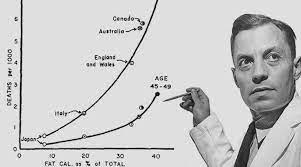
One of my heroes is Ancel Keys, widely credited with the Mediterranean Diet. He studied people.
The story goes like this. In the 1950’s there was an epidemic of middle aged men suddenly dying of heart disease. Sudden cardiac death - grab the chest, keel over and die. Eisenhower had a heart attack, LBJ had a heart attack - they survived those.
He was in Cambridge doing a sabbatical when someone told Keys that in the village in Italy hardly anyone had a heart attack. He had to investigate, so he and his wife went to that small village and looked over things. It was true, there were fewer heart attacks in this village.
By the way, if you think heart disease is bad now, in the 1950’s there were five times as many deaths from heart disease as today. Think about that - five times. And this was something new. Prior to the 1950’s the main cause of heart disease was not “coronary artery disease”, it was valvular heart disease due to rheumatic fever. Antibiotics changed that. As people lived longer, ate better, smoked more, there was more atherosclerotic heart disease.
So to study this, Keys decided to do a comprehensive study following a group of men over time, what they ate, lab values and etc. Specific groups. Villages. Cohorts. People he could measure and then follow for years inside what was ultimately called “The Seven Countries Study.”
And this matters, because we keep retelling it like he looked at countries on a map and picked the ones he liked. That’s the “22 countries, picked 7” line. You’ve heard it. It’s wrong, but it sticks because it sounds simple.
Here’s what actually happened.
Early on, there were rough country-level comparisons. Food supply data. Mortality stats. Big, messy, indirect stuff. Even at the time, people pointed out that those data could only suggest associations, not prove anything. This is the preliminary work done for epidemiology.
Keys decided to study what we call cohorts. Built studies where he could measure what people actually ate, track risk factors, and follow outcomes over time.
Not countries. People. That’s the difference everyone keeps missing.
Now zoom out.

This was the 1950s and 60s. No statins. No stents. No modern cardiology safety net. You had some blood pressure meds. You had surgery if things got bad enough.
Mostly, you had a diet. That was the tool.
And what showed up, over and over, was a pattern. Not perfection, not a single cause, but a pattern.
Populations eating diets lower in saturated fat, higher in plant foods, had less heart disease. Then we followed them. Not for five years. For decades. Fifty-plus years of follow-up.
To be clear: some of the villages had diets rich in fats (like Finland and the United States). They had more heart disease than those places that ate less saturated fat, more olive oil, more vegetables, whole grains, fruits, and fish. So when people claim Keys didn’t study villages that ate a high fat diet, they are simply wrong. They probably never read Keys work (I did, so you don’t have to).
And the signal didn’t flip. It didn’t disappear. It stayed. Meaning those places that ate more saturated fat had more heart attacks and strokes. Keys measured total blood cholesterol, they didn’t start to measure LDL or Apo(b) until much later.
You can argue mechanisms. You can argue edge cases. But the direction has been boringly consistent.
What’s interesting is how the biology caught up later.
Back then, Keys didn’t have genetics directly. He did have some interesting observations among families. Those families who moved out of the villages and into the city, eating a higher fat diet, had more heart attacks.
Today we can look at a gene called PCSK9. Most people have never heard of it, but it matters. It’s a protein that helps regulate LDL cholesterol. Some people are born with variants that reduce its activity. Technically, LDL cholesterol is a measurement of a particle that carries cholesterol around. That little bag of cholesterol is covered by a protein, called Apo(B) and that is the causative agent in atherosclerosis.
Lower cholesterol from less saturated fat in your diet over a lifetime, and dramatically lower your risk of heart disease.
Different lens, same story: lower LDL over time, lower risk. Higher LDL over time, higher risk.
This biology has been shown again and again. Today we have drugs like statins - I take Crestor because my LDL was high (190), and now with statins it is in the 40’s. So my risk of heart disease, which runs in my family, has dramatically lowered.
And then there’s the modern rewrite.
Writers like Gary Taubes or books like The Big Fat Surprise take that early ecological data and treat it like it was the whole story. It wasn’t.
They blur the line between rough observations and actual cohort studies.
Once you do that, it looks like Keys was picking data.
But if you keep the designs separate, it looks like what it was: early hypothesis, then better studies.
Back to Italy.

If you walk around today and try to “see” the Mediterranean diet, you’ll miss it.
Because it’s not a place. It’s a pattern we built from data. Defined, scored, tested. Over and over again.
And yes, people will still tell me, “But they eat pasta.” They do.
That’s just not the part that predicts anything.
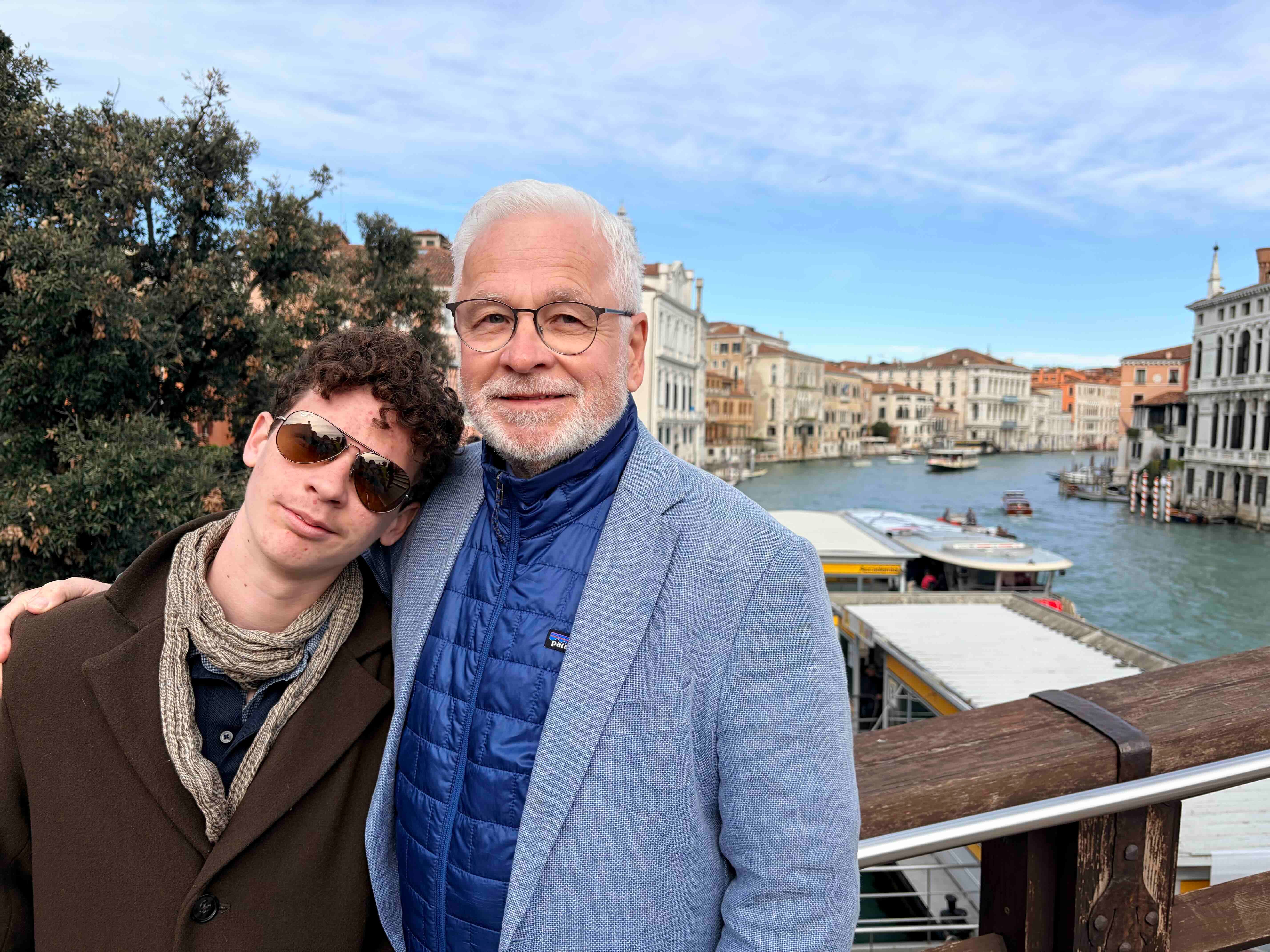
Italy was great, because it has a rich history, lots of cool stuff, and I got to spend time with my son, JJ, and show him the parts of Italy that I love.
If there’s a takeaway, it’s this.
The Mediterranean diet isn’t Italy. Ancel Keys didn’t pick seven countries out of twenty-two. And after more than half a century, with cohorts, trials, and now genetics all pointing in the same direction, the core signal hasn’t gone away.
We’ve just gotten better at explaining why it was there in the first place.
References
Yerushalmy J, Hilleboe HE. Fat in the Diet and Mortality from Heart Disease
Aboul-Enein BH et al. Ancel Benjamin Keys (1904–2004): His early works and the legacy of the modern Mediterranean diet
Mitrou PN et al. Mediterranean Dietary Pattern and Prediction of All-Cause Mortality
Widmer RJ et al. The Mediterranean Diet and Cardiovascular Disease
Lyon Diet Heart Study
Morze J et al. Mediterranean Diet and Cancer Risk
Wise Nutrition Coaching. “Ancel Keys did not manipulate his data”
Your Doctor’s Orders. “Ancel Keys and revisionist history”
Seven Countries Study website
terrysimpson.com Mediterranean diet scoring system
🔒 Paid Section: The Actual Mediterranean Diet Score (Not the Instagram Version)
Alright, this is the part most people skip.
They like the idea of the Mediterranean diet. They like the photos. They like saying “olive oil” and “Italy.”
They don’t actually want to score it.
But this is the whole thing.
This is how we turned observation into something measurable.
