

News of the Week: Vaccines, Blood Pressure, GLP-1s, and Why the Boring Stuff Still Works
Some weeks there is a flashy headline about a miracle drug or a longevity hack. This wasn’t one of those weeks. Instead, many of the most important studies reminded us that medicine often advances through simple things that work.
Vaccines. Blood pressure cuffs. Exercise. Protein. Statins.
Not very sexy, but remarkably effective.
Oh, and if you were wondering about the podcast - yes, I forgot to say June 21 and said June 2. Wonder how many of you caught that?
Vaccines Prevent More Than Infections
One of the most important studies this week came from JAMA Internal Medicine. Researchers studying veterans found that COVID vaccination reduced major cardiovascular complications associated with infection. Heart attacks fell by about 40%, strokes by more than 30%, and cardiovascular deaths by nearly 60%.
We’ve known for years that infections increase inflammation and destabilize plaque. Preventing severe COVID doesn’t simply prevent pneumonia. It also prevents many cardiovascular complications that can follow. Sometimes preventing a heart attack means preventing the infection that triggers it.
The greatest benefits were seen in older adults and those with underlying conditions, which shouldn’t surprise us. Prevention often matters most in those at greatest risk.
Measure Your Blood Pressure
If I had to pick one story that every adult should pay attention to, this would be it.
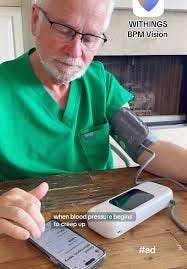
Researchers found that people who measured their blood pressure at home and shared those readings with their physicians had a 34% lower risk of hospitalization or death from heart attack, stroke, or heart failure.
Thirty-four percent is an enormous effect for something so simple.
I’ve used the Withings blood pressure system for years. No, they don’t pay me to say that. I simply like the system because it is easy, reliable, clinically validated, and teaches people how to measure blood pressure properly.
Too often people discover they have hypertension after the damage has already begun. They find out when kidney function declines, when an ophthalmologist sees changes in the retina, or after suffering a stroke or heart attack.
High blood pressure earned the name “silent killer” because you don’t feel it. You can’t sense your kidneys being damaged, and you don’t feel plaque slowly developing inside your arteries. That’s why home monitoring matters.
Don’t Fool Around With Blood Pressure
People often ask whether magnesium, beet root, potassium, or some supplement they saw online can replace medications.
My answer is simple. Don’t fool around with blood pressure.
Follow a DASH diet. Exercise. Lose weight if needed. Eat fruits and vegetables. Reduce sodium. However, if you need medication, you need medication.
Think of blood pressure like watering a garden. Your arteries are the hose. The proper pressure nourishes the garden. Too much pressure slowly damages the plants, the soil.
The garden is your organs to which the blood is delivered. By hitting those organs with high pressure, we see damage over time. High blood pressure is a leading cause of stroke, because the brain under the high blood pressure became damaged. High blood pressure is a leading cause of blindness, kidney failure, and heart disease.
Treating blood pressure isn’t a moral failure. It’s gardening. Take care of your end organs, and your future self will thank you.
Lifestyle Still Wins
Twenty-one years of follow-up from the Diabetes Prevention Program found that people assigned to diet and exercise had about a 20% lower risk of developing multiple chronic diseases than placebo.
Interestingly, lifestyle outperformed metformin alone. Meaning, don’t see this as lifestyle versus medication. Medicine isn’t football. You don’t have to choose sides.
Lifestyle and medications work together.
GLP-1s and Muscle
One study presented at ENDO 2026 found that physical activity declined after patients started GLP-1 medications. Daily steps and moderate exercise both fell.
That finding deserves some context.
Many of these measurements occurred early after starting treatment. People are adjusting to eating less, and some experience nausea or fatigue. Exercise isn’t always the first priority.
What I’ve observed in myself and in patients is that after several months many people begin asking a different question. They stop asking how to lose weight and start asking how to get stronger.
That’s encouraging.
Weight loss is wonderful, but strength is what protects independence.
Another study suggested adding a myostatin inhibitor to tirzepatide preserved lean mass while maintaining weight loss. It’s early, but preserving muscle during weight loss may be the next frontier in obesity medicine.
Protein Helps, But Exercise Matters More
Protein supplementation by itself produces modest benefits. The combination of adequate protein and resistance exercise consistently performs better.
Fortunately, resistance exercise doesn’t require becoming a bodybuilder.
Walking hills count. Resistance bands count. Swimming counts. Yoga counts. Gardening counts. When I say counts, your body loves movement, and the more you move, whether it be lifting heavy things from rocks to racks, your body likes it.
Muscles respond to demand, and they don’t particularly care how you create it.
Statins Continue To Age Well
Older hospitalized adults receiving statins had lower mortality than those who did not. Although observational studies require caution, these findings fit with decades of evidence supporting statins.
Social media may dislike statins. Science continues to like them. If you need them, like I do, and you can tolerate them, like most can, they are an inexpensive way to help maintain your health.
Alcohol Continues To Lose Its Appeal
Global alcohol consumption is expected to decline over the next decade. Economics plays a role, changing attitudes matter, and GLP-1 medications may also contribute.
One of the comments I hear repeatedly from patients is simple. “I still can drink. I just don’t really want to.”
That may prove to be one of the more fascinating effects of these medications, not only for decreasing desire for alcohol, but for tobacco and even other drugs.
It made me picky - I am much more picky about the food I eat, and if I don’t like a glass of wine, I just put it down. I am also more picky about coffee.
The Takeaway
Looking over the studies this week, I was struck by how often the biggest benefits come from simple interventions.
Vaccines prevent heart attacks.
Blood pressure cuffs save lives.
Exercise outperforms pills.
Statins still work.
Protein and movement protect independence.
The basics aren’t boring because they don’t work.
They’re boring because they work so reliably that we forget how extraordinary they are.
