


One Slip, One Fracture
One of my paid subscribers brought this topic to my attention — so thank you. I am always looking for topics for you.
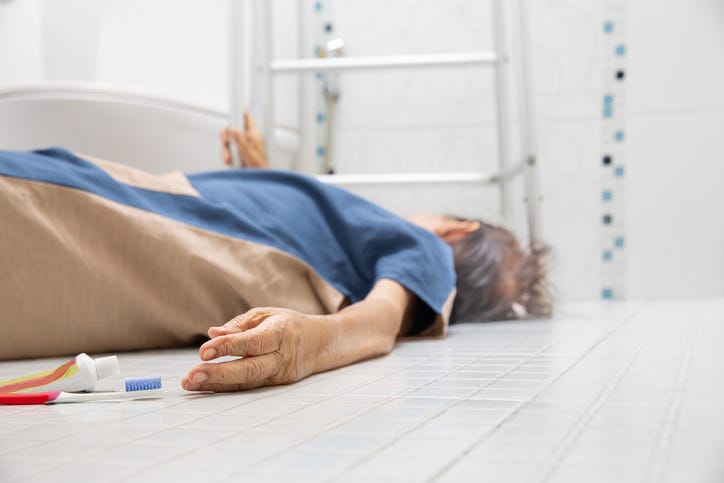
Here is the real issue.
If you are 65 or older and sustain a hip fracture, your risk of death in the following year rises dramatically — approaching 30–40% in many cohorts.
This is not about a DEXA scan.
This is about survival.
I had a delightful man who came into one of the nursing homes I visit. He was well known locally as a world-class bowler. Outgoing. Sharp. Social. Independent.
He lived alone.
One day he slipped at home. A simple fall. He was later found by a friend. He was taken promptly to the hospital. The hip was repaired. Technically, the surgery went well.
But he never saw his home again.
He stayed in bed more than he should have. He rarely got up. The spark was gone. Eventually, he developed COVID — the same infection that has taken too many people — and died. Less than a year after his fall.
When I spoke with his family, they described a different man. Active. Laughing. Surrounded by friends. Bowling several nights a week.
One slip. One fracture.
And that was the beginning of the end. This is why we care.
The Phone Call You Don’t Want
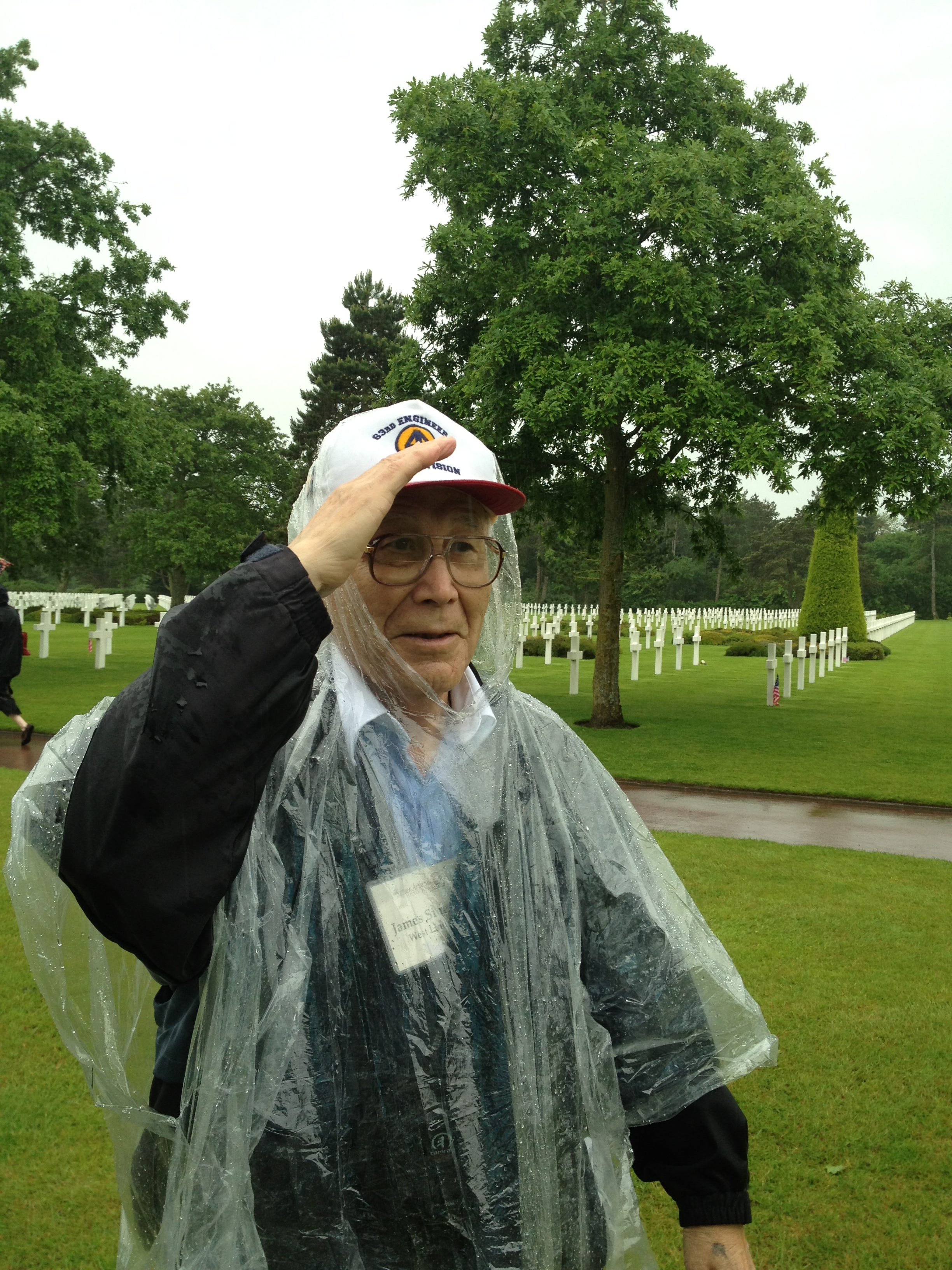
My dad lived alone in Oregon.
And three times in the last few years of his life, I got the phone call.
Sometimes it was the neighbor. Sometimes it was the paramedics.
“Your dad fell.”
Thankfully, he didn’t break anything. But each time, it could have gone differently.
Once he decided the tree needed trimming. He was 95. Apparently ladders still looked reasonable to him. Another time he didn’t bring his walker from one room to the next. He tripped over a rug.
Small things. Ordinary things. The kind of things that happen in real houses to real people.
My dad lived to nearly 99. We were lucky.
But any one of those falls could have put him in the hospital. Any one of them could have been the fracture that started the cascade.
That’s the part people miss.
Osteoporosis is quiet — until it isn’t.
And when gravity wins, biology takes over.
The difference between a fall and a fracture is often bone strength. And the difference between a fracture and independence is often preparation.
Prevention doesn’t feel dramatic.
But it is the difference between going home and never seeing it again.
I swear, we need to wrap all of you in bubble wrap.
Why Hip Fractures Kill
The fracture rarely kills.
The cascade does.
Immobility
Sarcopenia (inability to get in protein)
Delirium
Pneumonia
Thromboembolism
Pressure injury
Institutionalization
Hip fractures are physiologic catastrophes in older adults. Many who survive never regain independence.
This is why osteoporosis therapy is not cosmetic medicine.
It is fracture prevention.
What Actually Prevents Fractures
Professional guidance from the American College of Physicians and the Endocrine Society is remarkably consistent:
Treat high-risk patients with therapies proven to reduce fractures.
First-Line: Bisphosphonates - Names you may have heard
Alendronate
Risedronate
Zoledronic acid
Ibandronate
Fracture Reduction:
Vertebral: 31–56%
Hip: 26–42%
Nonvertebral: 17–20%
They are inexpensive, durable, and well studied. They remain first-line because they offer the best balance of benefit, harm, and cost.
Rare risks exist:
Osteonecrosis of the jaw
Atypical femur fractures
But these are uncommon relative to the fractures prevented.
Denosumab
A RANK ligand inhibitor given every 6 months.
Fracture Reduction:
Vertebral: 68%
Hip: 40%
Nonvertebral: 20%
Powerful. Convenient.
However, stopping it without follow-up therapy can cause rebound bone loss and vertebral fractures. Transition to a bisphosphonate is mandatory.
Anabolic Therapy
For very high-risk patients:
Teriparatide
Abaloparatide
Fracture Reduction:
Vertebral: 74–87%
Nonvertebral: 39–46%
Given daily for up to 2 years (18 months for abaloparatide), then followed by antiresorptive therapy.
Romosozumab
Dual action: increases formation and decreases resorption.
Fracture Reduction:
Vertebral: 73%
Hip: 38%
Nonvertebral: 19%
Monthly for one year, then transition.
Avoid in patients with recent stroke or myocardial infarction.
The bowler did not die from a rare medication side effect.
He died from a fracture cascade.
And that is why treatment matters.
