


Sugar feeds cancer - and why it is a dangerous trope
If cancer were as simple as “sugar feeds tumors,” oncology would be a branch of nutrition science and chemotherapy would be replaced by grocery lists. Unfortunately—or perhaps mercifully for reality—biology does not work that way.
The idea that sugar causes cancer, or that removing sugar can starve cancer, persists because it contains a kernel of truth wrapped in a misunderstanding large enough to sell books, supplements, and extreme diets. So let’s separate what’s real from what’s reassuring—and wrong.
Where the myth comes from
Cancer cells often take up glucose rapidly. This observation has been known for over a century and is the reason PET scans use radioactive glucose to detect tumors. Fast-growing cells need fuel, and glucose is convenient.
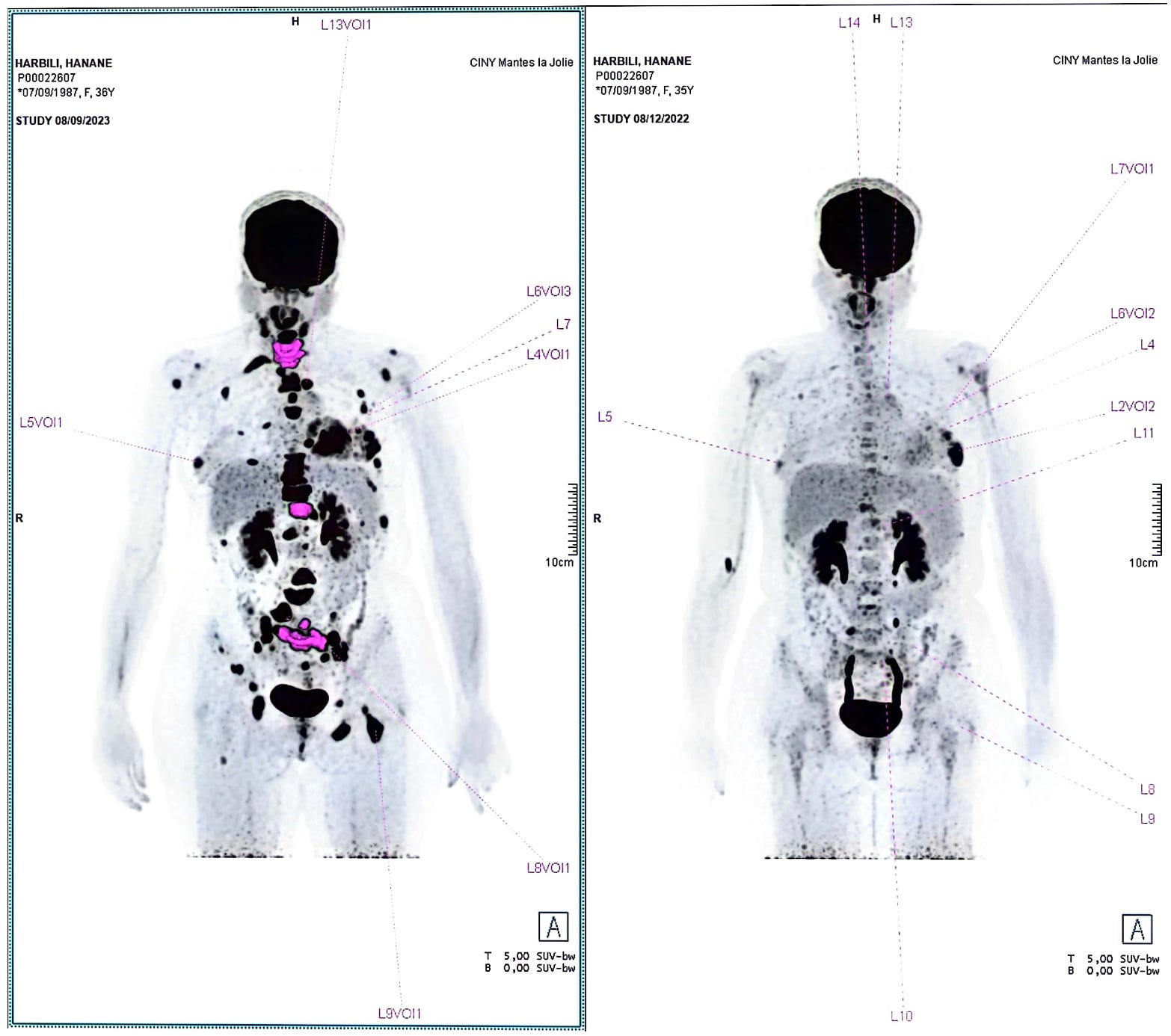
However, convenience is not dependence.
This is where the leap happens. Glucose uptake becomes “glucose addiction,” which then becomes “cut sugar and starve cancer.” It feels empowering. It feels intuitive. It also misunderstands how cancer actually survives.
Cancer is not picky
Cancer cells are metabolic opportunists. If glucose is available, they’ll use it. If it isn’t, they pivot—quickly and efficiently.
They can thrive on:
glucose
glutamine
fatty acids
lactate
amino acids
ketones - yes ketones, cancer cells love ketons
growth factors and micronutrients
Remove one fuel source and cancer does not starve. It adapts. That adaptability is not a flaw—it’s a defining feature of malignancy.
The ketogenic detour
The ketogenic promise sounds elegant: remove carbohydrates, force the body into ketosis, and deprive cancer of glucose.
Yet biology refuses to cooperate.
Your body maintains blood glucose at all costs. If dietary carbohydrates fall, the liver makes glucose from protein, fat, and—if needed—muscle. You cannot diet glucose away without dying. Cancer knows this.
Worse still, many cancers can efficiently metabolize ketones. Some do just fine in ketone-rich environments. A few may even benefit.
Ketosis is a metabolic state, not an anti-cancer strategy.
The vitamin problem no one likes to discuss
Another uncomfortable truth often left out of “natural healing” narratives is that cancer cells are very good at using vitamins.
Folate, iron, B12, antioxidants—these are not universally protective once cancer exists. They can support cellular growth, which is why oncologists often restrict supplements during treatment.
The assumption that “natural” equals “harmless” collapses quickly in oncology. Cancer responds to availability—not virtue.
What sugar actually does—and doesn’t—do
Let’s be precise.
❌ Sugar does not directly cause cancer.
❌ Cutting sugar does not starve tumors.
❌ Keto is not a cancer cure.
✔ Long-term metabolic conditions—obesity, insulin resistance, chronic inflammation, excess alcohol—do increase cancer risk.
✔ These are slow, hormonal, and inflammatory processes—not the metabolic equivalent of pouring gasoline on a fire after dessert.
Cancer risk accumulates quietly. It does not announce itself with a cupcake.
Why this myth persists
Because it offers:
a villain
a sense of control
moral clarity
and the illusion that illness is negotiable
It also shifts responsibility from biology to behavior, which is comforting to observers and cruel to patients.
Cancer does not arise because someone lacked discipline. It arises because cells mutate, evade regulation, and exploit the body’s own survival systems.
The honest takeaway
Cancer doesn’t need sugar.
Cancer needs a living host.
As long as blood flows, oxygen circulates, and nutrients exist, cancer adapts. That’s why effective treatments target DNA replication, signaling pathways, angiogenesis, and immune recognition—not breakfast choices.
Nutrition matters for overall health, resilience, and recovery. It does not outsmart cancer metabolism.
A final word
The belief that cancer can be starved by dietary purity mistakes a diagnostic tool for a treatment and replaces complexity with comfort. It feels empowering, but it misleads.
Cancer is not defeated by abstinence.
It is defeated by understanding.
For any of us who have seen children with cancer - we often just want to get calories into them. Starving them for some ill-thought out idea is cruel and not helpful.
📌 Paid Subscriber Section — Keto & Cancer: What the Evidence Really Shows
The ketogenic diet has been pitched repeatedly as a cancer therapy. On social media, keto is often framed as “starving tumors of sugar.” Let’s unpack what the clinical evidence actually says. And the all famous Warburg cured cancer nonsense.
Warburg described a pattern; he didn’t prove a diet cure. He overreached by claiming cancer is universal mitochondrial failure—modern data show many tumors have working mitochondria and flexible metabolism.
