


Dad Started Saving Before Anyone Called It Longevity
When I was younger, I thought retirement planning was mostly about money. Save enough, let compound interest work its magic, and someday you could sit back and enjoy life. The older I get, the more I realize there is another retirement account that matters just as much, and perhaps more. It isn’t your IRA or your 401(k). It’s your muscle.
I was fortunate. My father lived to nearly ninety-nine years old, and I don’t mean he simply survived to ninety-nine. He lived. At eighty-five, Dad was walking three and a half miles every day. Think about that for a moment. Eighty-five years old and walking farther than many people half his age. Along the way, he had survived several heart attacks, but he had reserve. Looking back, I think making it to eighty-five is one thing. Arriving at eighty-five healthy enough to begin the sprint into your nineties is something else entirely.
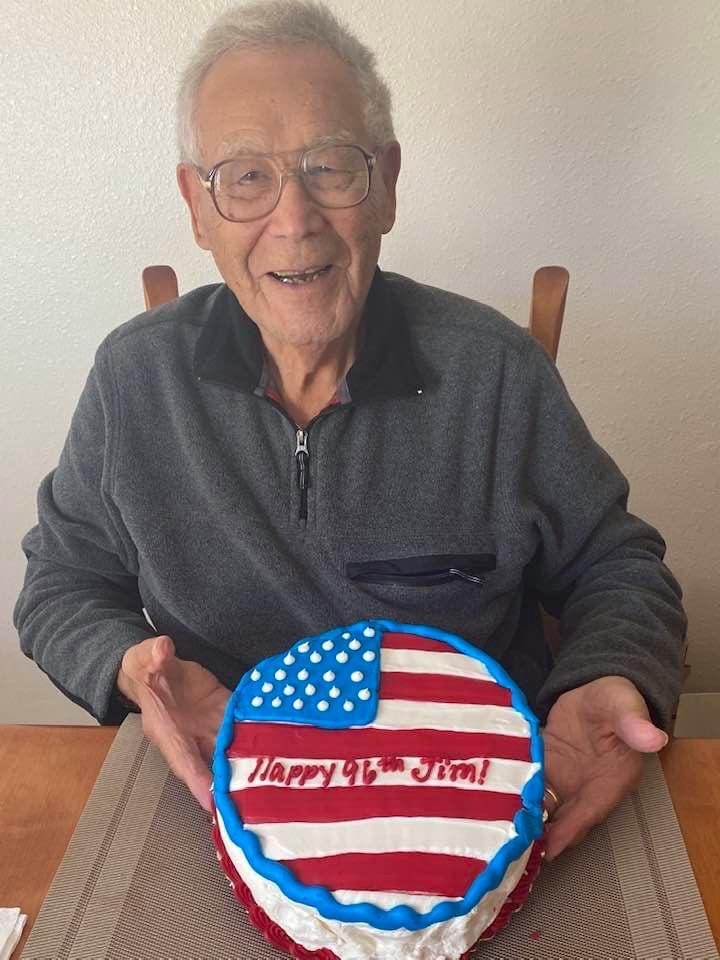
Dad didn’t do anything fancy. He wasn’t biohacking. He wasn’t optimizing biomarkers. He wasn’t listening to longevity podcasts. He walked, and my mother cooked. Their meals were simple and familiar. There was meat, potatoes, vegetables, soups, and desserts. There was no Mediterranean cookbook on the counter and no discussions about polyphenols. Looking back, I realize Dad had been making deposits into the Bank of Muscle for decades without ever calling it that.
Then Life Happened
As my mother’s dementia slowly progressed, Dad stopped walking, not because he wanted to, but because he didn’t want to leave Mom alone. He worried she might wander away. At the same time, Mom stopped cooking. Breakfast became something out, lunch might be a sandwich, and dinner was often cereal. I watched both of them lose weight, and then I received the phone call no child wants.
“Dad’s in the hospital. He fell and couldn’t get up.”
The fall wasn’t really the problem. Falls happen. What bothered me was that Dad no longer had enough reserve. He spent a couple of weeks in rehabilitation, and eventually I convinced him to move into an assisted living center about half a mile from our house.
Dad wasn’t thrilled with the idea, but something remarkable happened once he had regular meals again. He began to thrive. He complained about the food constantly while gaining seventeen pounds. He made friends, became the mayor of the place, and resumed being Dad.
Twice a week, I’d take him out to dinner. Whenever I asked him what he wanted, the answer was always the same: meat, potatoes, and gravy. Dad and I would split a steak, and the waitresses eventually developed a standing joke with him. They’d ask if he’d like the kale salad, and Dad would smile and say, “I grew up in an orphanage in Alaska. We grew kale, but we fed it to the cows. I’ll eat the cow.”
He charmed every waitress in town.
Five years later, after Mom died, Dad moved back to Oregon and lived independently again. We had help from Visiting Angels, who cooked meals and kept him company, but Dad was back in his own home. Looking back, I think I learned two lessons from watching my parents age. Food matters far more than most people appreciate, and muscle matters because muscle provides reserve. Dad couldn’t avoid every setback, but because he had spent decades walking and living well, he had enough reserve to recover.
Frailty Is the Enemy
We spend enormous amounts of time talking about heart disease, cancer, cholesterol, and blood pressure, and rightly so. However, one of the great enemies of aging is frailty. Frailty steals independence, and a fall that would have been a nuisance at sixty can become life-changing at eighty-five.
Nobody reaches eighty-five and says, “I wish I had less muscle.” Instead, they wish they could get out of a chair more easily. They wish they could continue gardening, travel, and play with grandchildren. Muscle gives us reserve, and reserve allows us to recover.
Protein Helps, But It Doesn’t Work Alone
Unfortunately, the supplement industry would like us to believe all of this comes in a tub with a scoop. The science is remarkably consistent. Protein helps, but protein by itself doesn’t do much. The benefits become much greater when protein is combined with resistance exercise.
That doesn’t mean everyone needs to become a bodybuilder. Walking hills count. Resistance bands count. Gardening counts. Swimming counts. Yoga counts. Carrying groceries counts. Muscles respond to demand, and they don’t really care how you create it.
Most experts recommend older adults consume between 1.2 and 1.5 grams of protein per kilogram of ideal body weight each day, with that protein spread throughout the day rather than consumed all at dinner. Whey protein is probably the most studied supplement because of its leucine content, which acts like a signal telling muscles it’s time to start building.
Fortunately, eggs, dairy products, fish, chicken, soy, beans, and meat all provide the building blocks. Nature figured this out long before protein powder.
Buy All The Spandex You Want
After Mom died, Dad came to live with me in California for a while. By then, I had discovered yoga. Dad teased me about it, the way fathers tease sons. One day, though, he looked at me and said something I’ve never forgotten.
“I think you doing yoga is great. You’re the right age. Doing this now is important. And if yoga is what you like, buy all the spandex you want and keep doing it.”
Those words have stayed with me.
If you’re lucky, your parents give you wisdom throughout your life. When you’re young, you roll your eyes. As an adult, you realize those words become family heirlooms. Money gets spent. Wisdom gets carried.
Dad wasn’t telling me to do yoga. He was telling me to keep moving.
He understood that every age has things important to that age. At twenty-five, maybe it’s building a career. At forty-five, maybe it’s raising children. At sixty-five, perhaps it’s protecting your muscle. At eighty-five, maybe it’s maintaining enough reserve to get out of a chair and go to dinner with family.
The body doesn’t really care whether your reserve comes from yoga, pickleball, walking, swimming, gardening, or barbells. It only cares that you keep making deposits.
Because one day you’ll need to make a withdrawal.
Life guarantees that.
Paid Subscribers: Practical Tips for Building Your Bank of Muscle
Measure More Than Weight
Practical tips for building muscle and keeping up protein on a GLP-1\
