


The Cyclospora false positive is not from the lettuce recalled.
The Cyclospora false positive was not found in the lettuce that was recalled. That distinction matters because many people have interpreted the FDA’s announcement to mean we are back to square one—that we no longer know where this outbreak came from. That isn’t what happened.
The laboratory sample that FDA initially reported positive, and later determined was a false positive, came from a different shredded iceberg lettuce product that was not part of the recall. The recalled lettuce had already been identified through an entirely different process. Investigators interviewed hundreds of people sick with Cyclospora, identified shredded iceberg lettuce as the common exposure, and then traced that lettuce backward through restaurants, distributors, processors, and suppliers until the traceback pointed to an independent farm in central Mexico supplying Taylor Farms de Mexico. None of that epidemiology or traceback changed when the laboratory result was withdrawn.
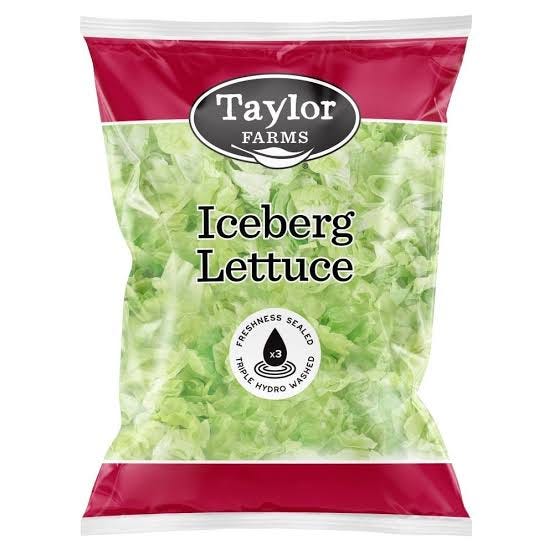
The false positive removed one piece of evidence, but it did not erase the evidence that led investigators to the recalled lettuce in the first place. Today, there is no laboratory-confirmed positive lettuce sample associated with this outbreak, but the epidemiology and traceback remain the foundation of the investigation.
The Independent Farm in Mexico
From there, the story becomes less certain. We know where the traceback led, but we do not know what investigators found once they reached the farm. No public report has described contaminated irrigation water, sanitation deficiencies, worker hygiene problems, or other environmental findings. We also do not know whether the farm was directly inspected by the FDA, Mexican authorities working with the FDA, or whether Taylor Farms identified concerns through its own supplier compliance and food safety audits. Those details have not been made public, and they remain an important missing piece of the story.
Epidemiology and Traceback are the strongest bits of evidence
This illustrates one of the strengths—and frustrations—of outbreak investigations. Epidemiology tells us who became sick and what they had in common. Traceback tells us where that food came from. Environmental investigations try to explain how the contamination occurred. In this outbreak, the first two are strong. The third has not yet been made public.
My suspicion—and I want to emphasize this is inference, not evidence—is that the traceback narrowed the investigation to a small number of growers. Taylor Farms may then have identified concerns sufficient to stop sourcing from one farm while the investigation continued. Large produce companies routinely audit suppliers and can suspend purchases long before every scientific question has been answered. Whether that happened here, and whether specific deficiencies were identified, has not been publicly disclosed.
This is why the story is more nuanced than many headlines suggest. The false-positive laboratory result means we have lost one piece of evidence. It does not erase the epidemiology, and it does not erase the traceback. At the same time, it reminds us not to overstate what has been proven. We have strong epidemiologic evidence and a well-developed supply-chain investigation. What we do not yet have is publicly available environmental evidence explaining exactly how Cyclospora entered the lettuce.
Recalls and Expiration Dates
That may sound surprising, but it is actually typical of fresh produce outbreaks. By the time the FDA issues a recall, the lettuce is often near—or even beyond—its expected shelf life. Fresh produce moves through the food system incredibly quickly, from farm to processor to distributor to restaurant or grocery store, and then into our kitchens. Whether the contamination is Cyclospora, Salmonella, or E. coli, investigators often race against the clock. The recall is still essential, because some products may still be sitting in restaurant coolers, grocery shelves, warehouses, or home refrigerators. But by the time the outbreak has been recognized, patients interviewed, and the traceback completed, much of the original product has already been eaten or discarded. That is one reason laboratory confirmation from the food itself is often difficult—and why epidemiology and traceback play such an important role.
Is there more than one Cyclospora outbreak?
One final point is worth remembering. Cyclospora outbreaks occur every year. Most are much smaller than this one, and several unrelated outbreaks can occur simultaneously. That is one reason epidemiologists work so carefully to separate one cluster from another. Based on the evidence released so far, this particular outbreak has been concentrated in Michigan, Ohio, Illinois, Indiana, and Kentucky, with the traceback pointing investigators toward a common supply chain. There is currently no evidence that this specific outbreak extends beyond those states, although public health officials continue to monitor for additional cases.
The practical advice has not changed. Wash fresh fruits and vegetables under cool running water before eating them, even those you plan to peel. Home-grown produce generally avoids the long, complex supply chains that can amplify a contamination event, but gardens are not immune to contamination from wildlife, irrigation water, manure, or handling. Local farms may have shorter supply chains, making problems easier to identify and contain, but they can also experience food safety issues. No matter where your produce comes from, good washing and proper food handling remain your best defenses.
That uncertainty is not a failure of science—it is part of science. Good epidemiologists know the difference between compelling evidence and conclusive evidence. The FDA deserves credit for correcting a laboratory result that did not withstand review. The next—and perhaps most important—question is whether any environmental findings from the implicated farm will eventually be released. If they exist, they would help complete the story.
For paid subscribers: How outbreak investigations really work
If you’ve ever wondered how public health officials can recall a food before they have a positive laboratory test, or why epidemiologists sometimes sound more confident than the laboratory evidence alone would suggest, this is where the detective story begins.
In the rest of this article, I’ll walk you through how epidemiologists identify patterns, how traceback follows food through one of the most complex supply chains in the world, why companies sometimes voluntarily recall products before every scientific question has been answered, and why conspiracy theories—whether they come from the political left or the political right—are such poor substitutes for evidence.
This is the science behind the headlines, and it may change the way you think about every future foodborne outbreak.
