


In our series about foods that built civilization, we talked a lot about grains, from wheat to corn to rice. Today we are taking you to the ocean, with the civilizations that salmon built.
From California to the interior of Alaska, salmon, a staple allowed people to settle into villages, develop complex social networks, art, and trade routes. Those trade routes are as large as the ones in the Mediterranean. Some tribes built communal homes and developed complex art and language. Some were Seagoing tribes with canoes up to sixty feet long that traveled oceans.
All because there was a fish that would return in large numbers to streams and rivers, reliably, predictably. So predictable, the people could build their lives around salmon runs. So much so that some built a calendar not only with lunar cycles, but also with the return of the salmon.
Civilizations have always gathered around food and water. The Mediterranean connected people who grew wheat and olives, giving people time to make wine, mine copper, build ships, trade with their neighbors, and occasionally went to war with them.
Asia had rice and grain near the great river systems. Because of reliable calories with rice and grain, it allowed the villages to become cities and travel on the water to trade.
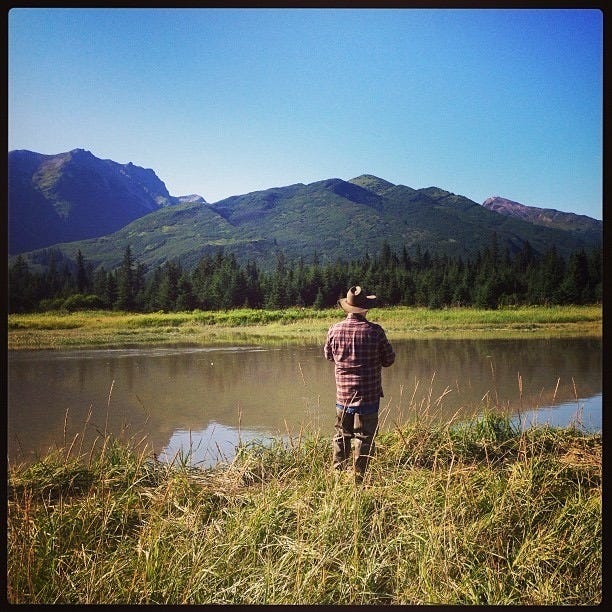
Today we are going to my home - from the Ventura River in California to my home state of Alaska.
The Crop That Swam Home
Different than the other civilizations, no one had to plant this crop. They didn’t have to tend the crop. It literally swam home every year. Different times for different types of salmon.
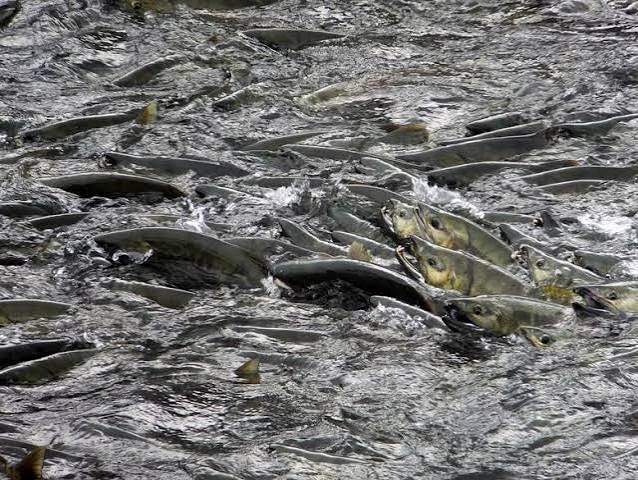
When the first Europeans saw these fish, the river was so crowded they joked you could walk on their backs, crossing the river and never get wet.
Ketchikan, The Salmon Capital of the World
I grew up in Ketchikan, Alaska. A city founded upon salmon. Some say Ketchikan stands for smelly fish, apparently after the large spawn as the fish died, it left quite an odor - you can only imagine thousands of dead salmon.
Everyone has their favorite type of salmon. The large ones, the King Salmon, also called Chinook, typically start their run to the creeks and rivers in April. Youcould catch them reliably in late May and June, or even later. We had a King Salmon derby, usually in late May to early June. The record salmon was 79 pounds for that derby. The largest King I ever caught was 26 pounds, and I cannot imagine catching one larger.
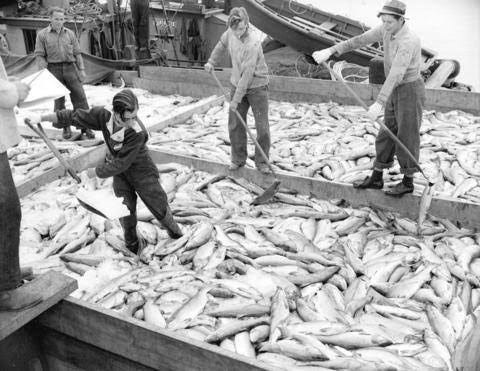
For a fish that was the livelihood of many of my neighbors, the stocks have become so low that the derby I grew up with was cancelled. Global warming has devastated salmon runs.

The above totem is either an eagle or a man, depending on who you ask. The clam has caught it and the tides roll in and the man, or eagle sings a song. Note the amazing carving, and a story as old as time itself.
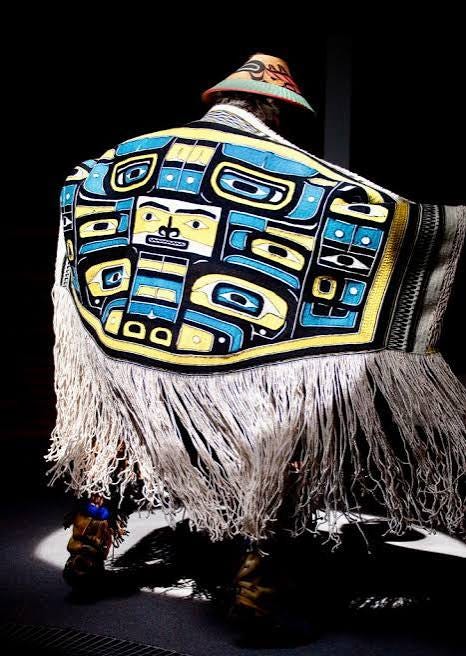
These are Chilkat blankets, or dancing blankets. They take up to five years to create. Made from a combination of inner cedar bark combined with mountain wool to make the foundation. The colors are mostly dyes of four natural pigments: black (hemlock bark/copper oxide), yellow (wolf moss), blue-green (copper soaked in urine), and the creamy white of natural undyed goat wool.
Non Nomadic People
Because of the abundance, both in terms of the salmon runs, other marine mammals, berries, they didn’t have to forage. So they were able to build villages with communal living - they were SF before SF was.
An intense harvest in the late spring and summer led to a winter of art, ceremonies, and the potlatch. The potlatch is a giant party where the hosts not only displays their wealth, but gives it away. The richer you are the more you would give and that would be the nudge for the neighbor to do the same.
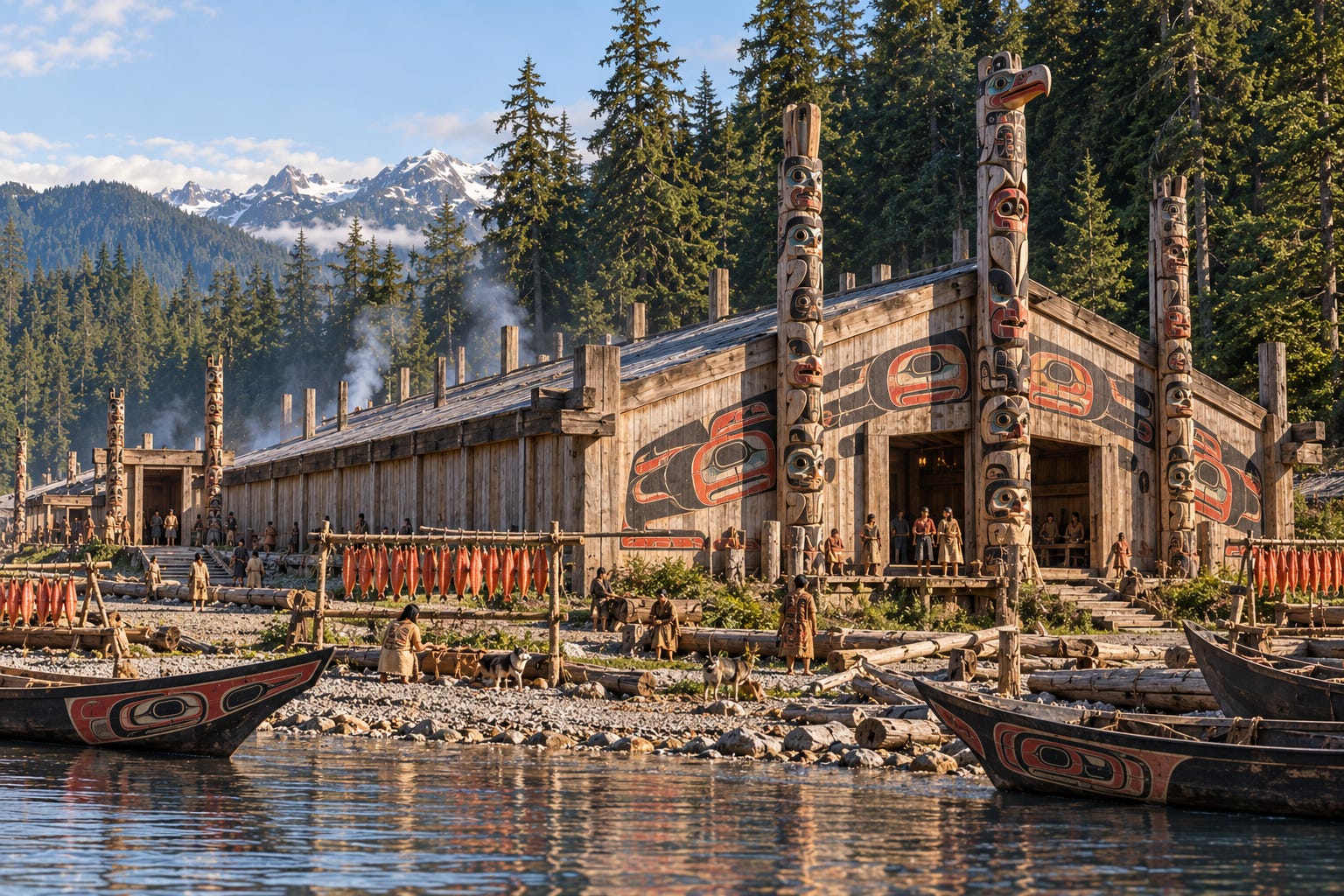
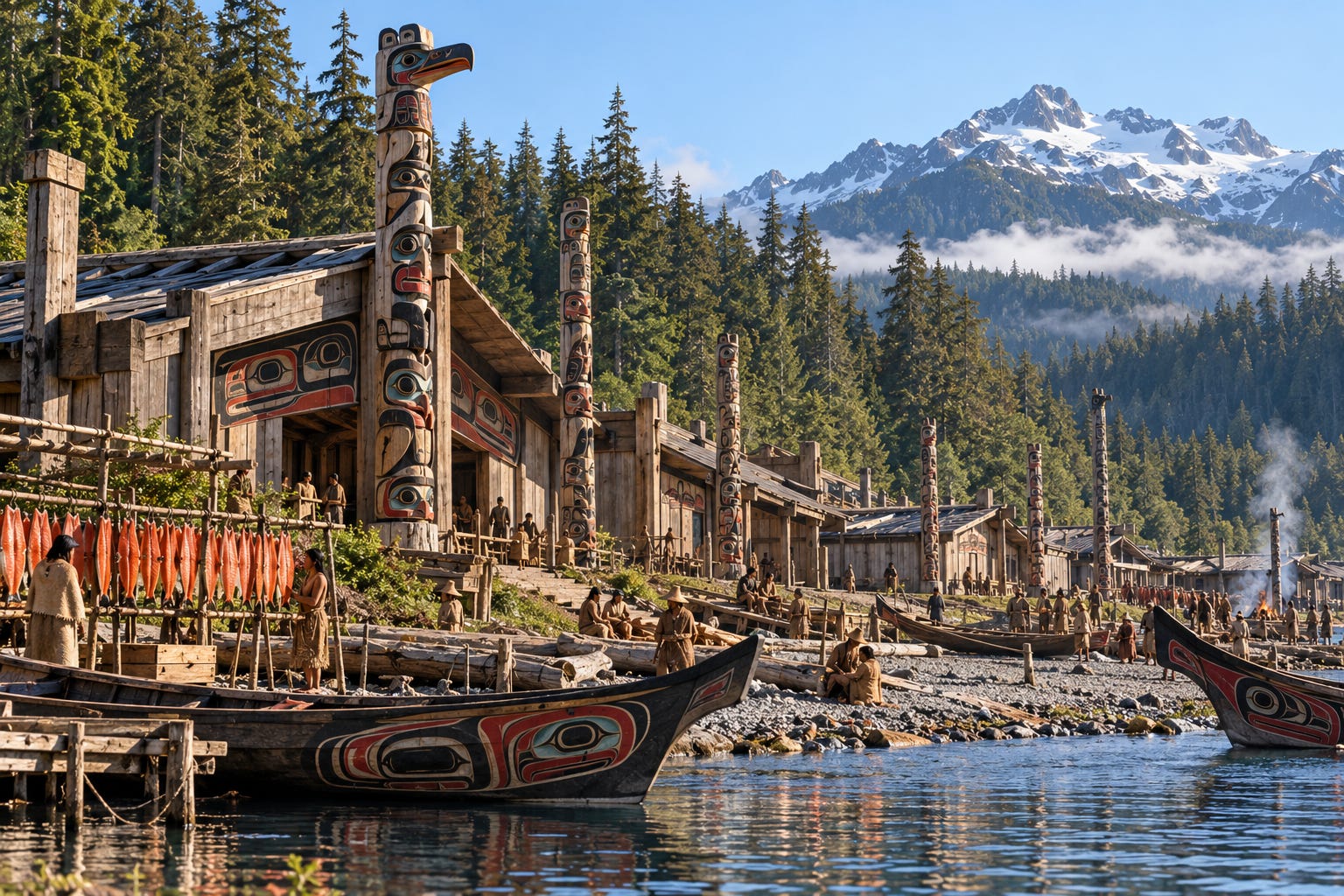
Large villages and communal houses when encountered by the first Eruopeans isn’t something they were expecting. There was an entire civilization, clans, tribes, alliances. People who made treaties, made war, and played games.
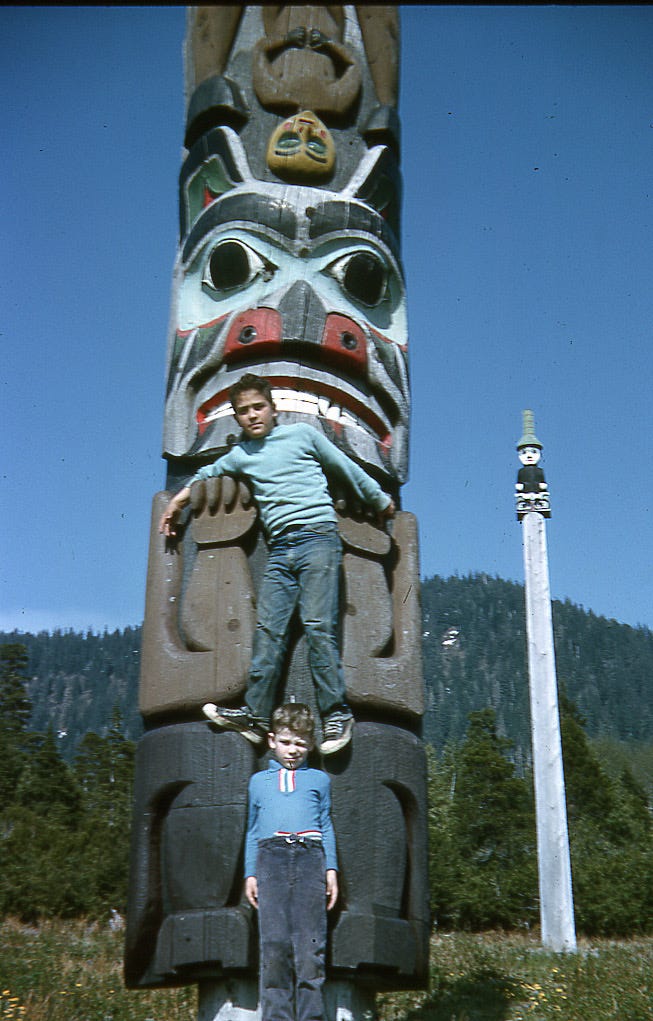
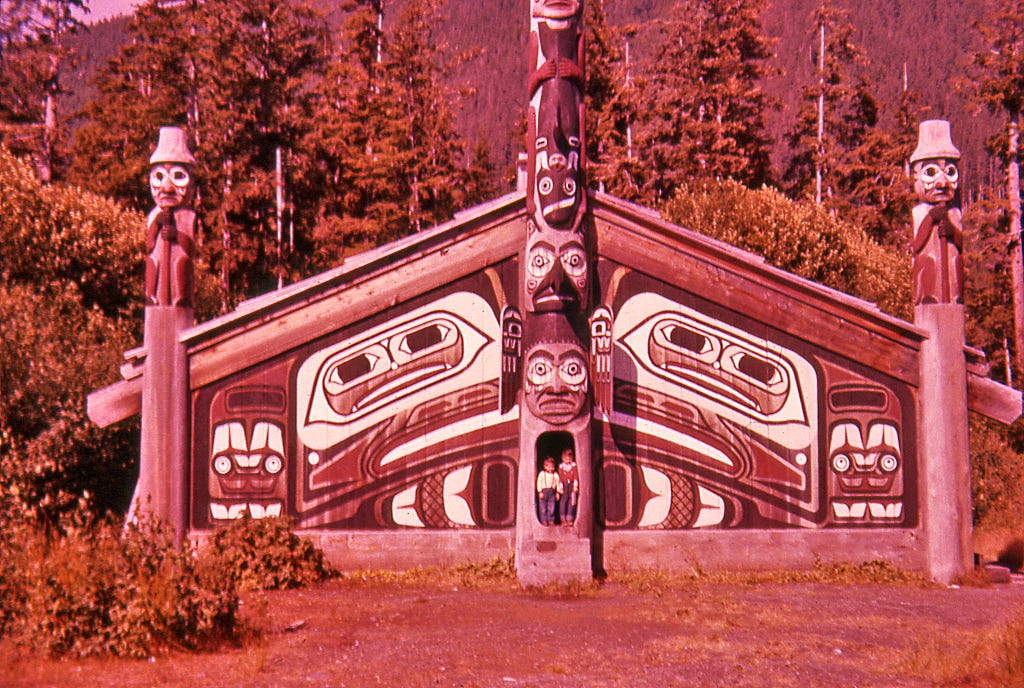
In Ketchikan these were rebuilt during the Depression. Here you can see my brother and I being kids - but it also gives you an idea of the large size of these communal homes and totems.
They did travel through large canoes.
We already had a country before Europeans started with salmon. I’d say it would be Cod, since Portuguese cod fishermen likely pointed the way to Columbus, or shad cause that’s what fed much of the East Coast while the United States for forming.